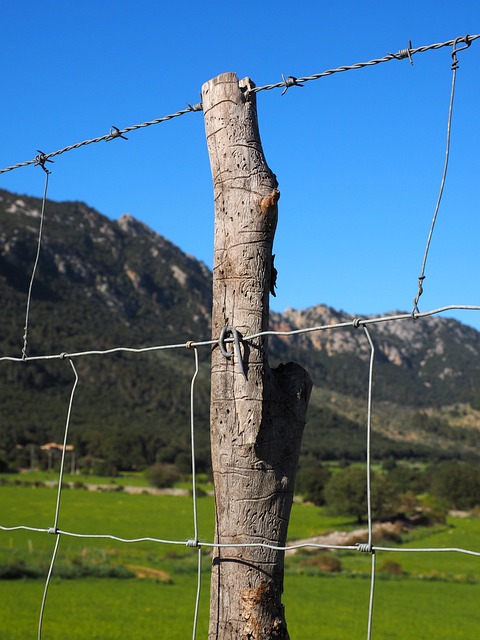
Wooden fences are a timeless feature in gardens and yards, offering both privacy and an aesthetic appeal. Ensuring their longevity and beauty hinges on proper maintenance, particularly through staining and sealing. This article delves into the intricacies of selecting the optimal stain and sealant for your wooden fence, ensuring it withstands environmental elements. We will guide you through the essential preparation steps to achieve a flawless application, followed by a detailed, step-by-step process for effective staining and sealing. Additionally, we’ll cover best practices for maintenance and long-term care post-treatment, so your fence remains a durable and vibrant boundary for years to come.
- Choosing the Right Stain and Sealant
- Preparing Your Wooden Fence for Staining and Sealing
- Step-by-Step Guide to Effective Fence Staining and Sealing
- Maintenance and Long-Term Care for Stained and Sealed Fences
Choosing the Right Stain and Sealant
When selecting a stain and sealant for your wooden fence, it’s crucial to consider the type of wood, climate conditions, and desired aesthetic. Different woods have varying levels of natural oils and extractives that can affect how they absorb and retain stain. For instance, cedar and redwood are naturally weather-resistant and may require a semi-transparent or solid stain to enhance their appearance without compromising durability. On the other hand, softwoods like pine might benefit from a transparent or semitransparent finish to highlight the wood’s grain while providing some level of protection.
Climate factors also play a significant role in choosing the right stain and sealant. In regions with high humidity and rainfall, water-repellent sealants can prevent moisture from seeping into the wood and causing swelling or rot. For areas prone to harsh sunlight and heat, UV-protective stains can help prevent fading and maintain the wood’s integrity over time. Additionally, the presence of mold or mildew may necessitate a stain with mildewcide properties. The choice between oil-based and water-based stain and sealant finishes should also be made carefully, considering factors such as application ease, drying time, and environmental impact. Water-based products tend to have lower VOCs (volatile organic compounds) and are generally easier to clean up, while oil-based stains may offer longer-lasting protection and richer color.
In terms of longevity and maintenance, a high-quality stain and sealant will not only protect your fence but can also extend its lifespan significantly. It’s recommended to apply these finishes every one to three years, depending on the product used and the exposure conditions of the fence. Always follow the manufacturer’s instructions for optimal results, and ensure that the surface is clean, dry, and free of any debris before application to guarantee an effective bond and long-lasting finish.
Preparing Your Wooden Fence for Staining and Sealing
Before initiating the staining and sealing process on your wooden fence, it’s imperative to prepare the surface for optimal results. Begin by thoroughly cleaning the fence to remove any accumulated dirt, debris, or algae that can impede the absorption of the stain or sealant. Use a stiff-bristled brush or a pressure washer set to a low-pressure setting to gently scrub the wood without causing damage. After cleaning, inspect the fence for any loose, peeling, or damaged paint or varnish. Remove these layers carefully to ensure that fresh stain can adhere properly. Once the surface is clean and bare in problem areas, allow the wood to dry completely. This may take upwards of 24-48 hours depending on environmental conditions.
Once the fence is clean and dry, perform any necessary repairs such as replacing rotted posts or boards. Sand any rough spots with fine-grit sandpaper to create a smooth surface that will accept the stain evenly. Pay particular attention to edges and corners where dirt and moisture can accumulate, leading to premature wear or peeling. After sanding, wipe down the fence with a damp cloth to remove any residual dust. Finally, if the wood is highly porous or you’re applying a new coat of stain after a long period without treatment, consider applying a pre-stain conditioner as per the manufacturer’s instructions. This step can greatly enhance the appearance and longevity of your stained fence by ensuring even penetration and distribution of the stain.
Step-by-Step Guide to Effective Fence Staining and Sealing
1. A well-maintained wooden fence enhances the aesthetic appeal of your property while providing protection and privacy. To achieve this, regular staining and sealing are crucial maintenance tasks. The process begins with a thorough inspection of the fence to identify any areas that require repair or cleaning. Use a soft-bristled brush or a pressure washer set to a low setting to remove dirt, mold, and mildew, ensuring the wood is clean and dry before application. Select a quality stain and sealant compatible with the type of wood used in your fence. Apply a stain-blocking primer if necessary, followed by two coats of stain or sealer, allowing ample drying time between coats as per the product’s instructions. For best results, work on a day with low humidity and gentle temperatures, applying the stain or sealant in the direction of the wood grain to ensure even coverage and to prevent streaks or lap marks.
2. Prior to staining, lightly sand the fence to remove any splinters or rough spots which could interfere with an even finish. Pay close attention to gates and corners where wood may have warped or aged differently than the rest of the fence. After the final coat has dried completely, clean up any spills or excess product with a damp cloth. Depending on environmental factors and foot traffic, plan to reapply the stain or sealant every one to three years to maintain its protective qualities and keep your wooden fence looking new. Always follow safety guidelines when using staining and sealing products, wearing appropriate protective gear such as gloves, goggles, and a respirator to avoid skin and lung irritation from the chemicals involved in these processes.
Maintenance and Long-Term Care for Stained and Sealed Fences
Maintaining a wooden fence that has been stained and sealed involves regular inspections and timely upkeep to ensure its longevity and appearance. After initial application, it’s advisable to inspect the fence annually for any signs of wear or damage. This includes checking for peeling, cracking, or fading of the stain, which can be indicators of underlying issues such as moisture intrusion or wood rot. If any such signs are detected, they should be addressed promptly to prevent more significant deterioration. Typically, a stain and sealant combination provides a protective layer against environmental elements, but this protection diminishes over time, necessitating reapplication every one to three years, depending on the climate and exposure conditions. The frequency of reapplication can vary; however, it’s crucial to adhere to the manufacturer’s guidelines for the specific product used. During the reapplication process, thoroughly clean the fence surface to remove dirt, mildew, or any other debris that could impede the new stain from adhering properly. By following a routine of inspection and timely maintenance, homeowners can extend the lifespan of their stained and sealed wooden fences, maintaining their aesthetic appeal and functional integrity.
In terms of long-term care, beyond regular maintenance, the choice of wood species and initial treatment play significant roles in the fence’s durability. For instance, cedar and redwood are naturally resistant to decay and insects, which can reduce the need for frequent treatments. Additionally, opting for a semi-transparent or solid stain that penetrates into the wood, as opposed to a film-forming finish, can improve longevity by allowing the wood to breathe and reducing the likelihood of peeling or flaking. Regular cleaning, usually with a mild detergent solution or a wood-specific cleaner, helps remove contaminants like algae and pollen that can degrade the wood over time. Lastly, addressing any structural issues promptly, such as loose pickets or posts, ensures the fence remains secure and maintains its protective function against privacy concerns or property boundaries. With conscientious care, a stained and sealed wooden fence can continue to serve its purpose for decades.